



A reliable children’s clothing supplier from Turkey is the foundation of a store’s stable operation. It affects not only purchase prices, but also product quality, stock availability, size availability, the speed of assortment replenishment, and delivery arrangements.
Entrepreneurs looking for children’s clothing suppliers from Turkey or wholesale children’s clothing warehouses often compare only the unit price. However, the lowest price does not always mean the most profitable cooperation. The actual cost is affected by delivery, packaging, fees, potential losses from defects, sorting, and the time spent communicating with different factories.
For a retail or online store, there are two main options: working directly with a factory or contacting a representative of several manufacturers. Both models can be effective, but they require different levels of involvement from the buyer.
In this article, we will explain how to assess a reliable children’s clothing supplier from Turkey, what to check before placing an order, and why working through a factory representative can be more convenient for small and medium-sized businesses.
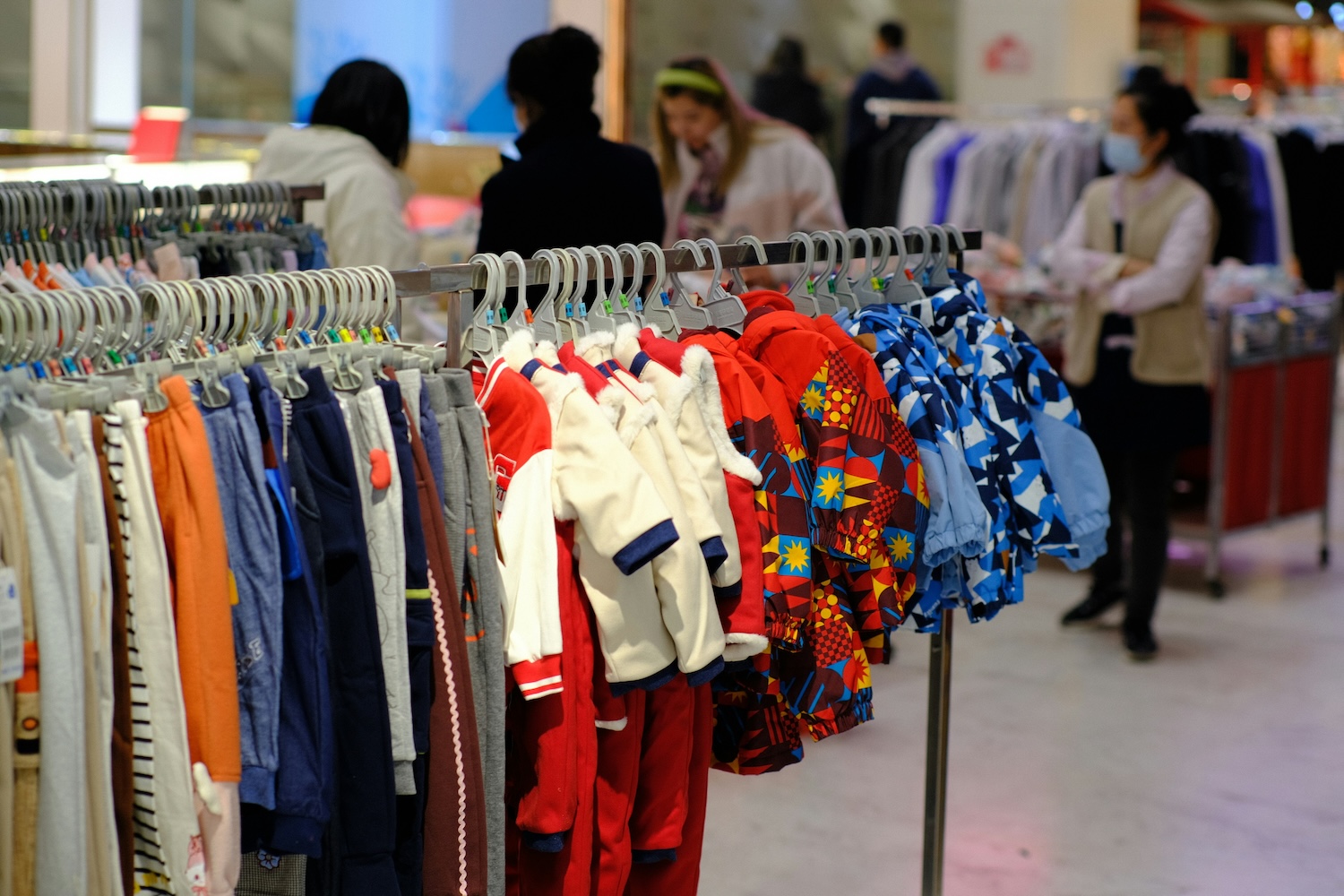
Factory or Representative: Which Option Should You Choose?
Working directly with a factory may be suitable for large purchases when a store already has stable demand, understands its assortment, and is ready to independently negotiate, manage documents, and organize logistics.
At the same time, direct purchases often require:
- communication with different managers;
- knowledge of the terms of a specific factory;
- independent verification of current stock;
- control of the minimum order;
- delivery arrangements;
- order completeness checks;
- resolution of issues related to defects or discrepancies.
For a small or medium-sized store, this can be difficult, especially when it is necessary to work with several brands at once.
A factory representative or specialized wholesale partner can combine these processes. The buyer gets one manager, access to the assortment of several manufacturers, and assistance with placing an order.
When choosing a representative, it is important to assess not only the catalog but also the transparency of its work: which factories it cooperates with, how it confirms product availability, what terms it offers, and what support it provides after the order is placed.
What Should a Reliable Children’s Clothing Supplier Be Like?
A reliable supplier does not necessarily have the lowest prices or the largest catalog. The main signs of high-quality cooperation are clear terms, accurate information, and fulfillment of agreements.
Before starting work, a supplier or factory representative should clearly explain:
- which brands and categories are available;
- who manufactures the goods;
- which models are currently in stock;
- which sizes can be ordered;
- what minimum purchase volume applies;
- how the price is formed;
- what the payment terms are;
- how delivery is organized;
- which documents and support are provided;
- how issues related to defects or discrepancies are resolved.
Transparency is important even before the first payment. If the terms are unclear, the price changes during checkout, or questions do not receive specific answers, it is worth carrying out additional verification or starting with a small test batch.
Where to Look for Children’s Clothing Suppliers from Turkey?
Suppliers can be found through factories, wholesale markets, specialized catalogs, trade representatives, or companies that work with several manufacturers.
Each method has its own characteristics.
Direct contact with a factory makes it possible to work directly with the manufacturer. However, in this case, the buyer independently clarifies the MOQ, agrees on the assortment, checks stock availability, arranges delivery, and manages documents.
A trip to a wholesale market allows you to see the goods in person. However, it requires time, travel expenses, and additional organization. In addition, a seller at the market is not always the manufacturer or an official brand representative.
Working through a factory representative provides access to several manufacturers through one partner. This is especially convenient if a store forms its assortment from different categories: wholesale newborn clothing from Turkey, knitwear, wholesale children’s outerwear from Turkey, accessories, and seasonal collections.
Regardless of the search method, it is not advisable to place a large order immediately after the first contact. First, verify the information, terms, and product quality.
Learn more about procurement approaches in the article “3 Ways to Buy Children’s Clothing from Turkey”.
How to Evaluate a Factory Representative?
If a store does not work directly with the manufacturer, it is important to understand the representative’s role and the scope of its responsibility.
Before starting cooperation, it is worth clarifying:
- which factories and brands the representative works with;
- whether the assortment is up to date;
- how stock availability is confirmed;
- who agrees on prices and MOQ;
- who accepts orders;
- who organizes delivery;
- which services are included in the support;
- how defect-related issues are resolved;
- whether assistance with forming a product batch is available;
- whether popular models can be reordered.
A factory representative should not simply forward product photos. Its value lies in simplifying procurement: helping compare brands, select categories, check availability, and reduce the number of organizational matters for the buyer.
Check the Assortment and Product Origin
A reliable supplier should be well familiar with its own assortment. The manager should explain which brands are represented, for which age groups they produce clothing, which categories are available, and how collections are updated.
When checking, pay attention to:
- the country of manufacture;
- the brand name;
- fabric composition;
- size chart;
- seasonality;
- set contents;
- care instructions;
- available colors and sizes;
- the possibility of reordering.
Photos in a catalog do not always provide a complete picture of quality. If possible, ask for additional photos, videos, or product samples. This is especially important for:
- knitwear;
- newborn sets;
- wholesale children’s outerwear from Turkey;
- models with snap fasteners and zippers;
- festive sets;
- products with decorative elements.
If the assortment is represented by several manufacturers, clarify whether sizes, set contents, and reorder terms are handled in the same way.
Which Order Terms Should Be Clarified?
MOQ and Minimum Order Value
MOQ is the minimum quantity of goods or the minimum order value. This indicator may differ among factories and brands.
Before placing an order, clarify:
- the minimum purchase amount;
- the minimum number of units;
- whether models can be combined;
- whether different sizes can be combined;
- whether several brands can be ordered;
- whether separate terms apply to seasonal collections;
- what happens if some goods are unavailable.
A low MOQ is convenient for a test purchase but may limit the selection. A high MOQ may sometimes provide a better price, but it increases the risk of unsold stock.
Price and Total Cost
Compare not only the price of goods in the catalog. Ask for the total order cost to be calculated, taking into account:
- the purchase price;
- packaging;
- sorting;
- delivery;
- customs and related expenses;
- payment fees;
- potential costs of replacement or return;
- additional expenses for urgent dispatch.
If some costs are not included in the initial price, this should be clearly stated. A transparent calculation helps determine the margin and retail price correctly.
Payment and Order Confirmation
Clarify when the advance payment is made, how availability is confirmed, and when the order is considered finalized.
Ask to receive:
- a list of goods with models and quantities;
- the total amount;
- information about available sizes;
- cancellation or adjustment terms;
- confirmation timeframes;
- the procedure if some goods become unavailable.
The terms should be agreed before payment, not after the funds are transferred.
How to Check the Quality of Children’s Clothing?
The quality of children’s clothing is not limited to the material. Buyers value comfort, safe construction, ease of changing clothes, and simple care. For a store, consistent sizing, the absence of systematic defects, and the correspondence of goods to photos are also important.
When checking, pay attention to:
- fabric composition and density;
- the softness of the inner surface;
- seam quality;
- edge finishing;
- the strength of snap fasteners and zippers;
- the reliability of decorative elements;
- whether the color matches the photos;
- actual measurements;
- packaging quality;
- whether the contents match the stated set.
For the first purchase, it is better to check several different categories rather than just one model. For example, the quality of bodysuits does not provide a complete idea of the quality of jackets, festive dresses, or insulated sets.
If a representative offers a test order, assess not only the goods themselves but also the entire process: response speed, order accuracy, packaging, delivery, and willingness to help if a problem arises.
Documents and Labeling
Before making a purchase, clarify which documents and accompanying information can be obtained for a specific product. The list of documents depends on the product category, fabric composition, children’s age, and delivery method.
The label or accompanying information may include:
- material composition;
- size;
- brand;
- manufacturer;
- country of manufacture;
- care recommendations;
- other information required for a specific category.
Ask the supplier to explain which documents are provided to the buyer, who prepares them, and at what stage they are transferred.
Do not publish product descriptions containing characteristics that are not indicated on the label or in verified materials. This applies to claims about natural materials, hypoallergenic properties, safety, and special-purpose use.
Delivery and Post-Order Support
A reliable supplier should clearly describe how goods are delivered to your country and who is responsible for the different stages of supply.
Clarify:
- who organizes transportation;
- how the goods are packed;
- whether shipment information is provided;
- who is responsible for damage during delivery;
- how the number of packages is checked;
- what to do in case of shortages;
- how defects are documented;
- within what period a claim can be submitted;
- whether replacement or compensation is possible.
After receiving the goods, check them as soon as possible. Record the condition of the packaging, the number of packages, models, sizes, and set contents. If a problem is found, notify the supplier within the agreed timeframe.
High-quality support after an order is placed is one of the main differences between a reliable partner and a random seller.
Why Do Stores Work Through a Factory Representative?
For a small or medium-sized store, working independently with several factories can be difficult. It is necessary to separately clarify terms, negotiate, control stock availability, agree on payment, and organize logistics.
A factory representative can help:
- gain access to the assortment of several manufacturers;
- compare brands and price segments;
- select products for a specific audience;
- check current stock availability;
- form an order from different categories;
- clarify MOQ and payment terms;
- organize communication with factories;
- support the delivery process;
- resolve organizational issues after receiving the goods.
This is especially important for stores that are only forming their assortment or want to gradually expand categories without working with a large number of separate manufacturers.
At the same time, the buyer should clarify in advance which services are included in the support, who the parties to the transaction are, and how responsibility is divided between them.
Red Flags When Choosing a Supplier
Risky signs include:
- an excessively low price without a clear explanation;
- refusal to provide information about the manufacturer or brand;
- no clear MOQ terms;
- price changes after the order has been agreed;
- a requirement for urgent payment without confirmation of availability;
- inability to obtain additional photos or videos;
- lack of information about fabric composition;
- unwillingness to discuss defects and replacements;
- goods that do not match the photos;
- lack of clear delivery terms;
- different terms provided by different managers;
- ignored questions after an advance payment.
Not every individual signal means there is a problem. For example, a factory may have limited stock or may not guarantee that every model can be reordered. This is normal for a wholesale assortment. What matters is that such limitations are explained in advance.
Supplier Selection Checklist
Before your first large purchase, check:
- brands and product categories;
- product origin;
- whether photos and stock information are current;
- the size chart;
- MOQ and the minimum order value;
- the total cost;
- the payment method;
- the order confirmation procedure;
- documents and labeling;
- delivery terms;
- the procedure for checking the goods;
- defect replacement terms;
- the responsibilities of the parties;
- the possibility of reordering;
- the quality of communication;
- the list of services provided by the factory representative.
If some questions remain unanswered, reduce the size of the first purchase and do not invest the entire budget in one product category.
How MARMARAOPT Helps Source Children’s Clothing from Turkey
MARMARAOPT works as a representative of Turkish factories and helps stores, online sellers, and entrepreneurs source wholesale children’s clothing from Turkey.
The buyer can access the assortment of several manufacturers through one partner, compare brands and categories, clarify current stock availability, MOQ, payment terms, and delivery terms. Available manufacturers are listed in the MARMARAOPT catalog; you can also explore Turkish children’s clothing brands.
The representative can also help form a product batch taking into account:
- children’s age;
- seasonality;
- price segment;
- popular categories;
- size chart;
- store format;
- planned budget.
Before placing an order, it is worth clarifying the current assortment, the terms of a specific factory, available sizes, set contents, and the possibility of repeat supply. We also recommend reviewing the current cooperation terms in advance.
Conclusion
A reliable children’s clothing supplier from Turkey should be assessed comprehensively. Price matters, but it should not be the only criterion. Quality, stock availability, MOQ, documents, delivery, communication, and post-sales support are equally important.
Before starting cooperation:
- define your requirements for the assortment and price segment;
- compare several factories or representatives;
- clarify the representative’s role and the scope of its support;
- check brands, models, sizes, and stock availability;
- request a complete cost calculation;
- clarify MOQ, payment, delivery, and defect-handling procedures;
- start with a test or limited batch;
- assess not only the goods but also the entire cooperation process;
- increase purchase volumes after a positive experience.
This approach will help reduce risks, calculate the margin correctly, and create a stable children’s clothing assortment for a retail or online store.
FAQ
How can I find a children’s clothing supplier from Turkey?
You can contact a factory directly, find products at a wholesale market, or work through a representative of several manufacturers. Before ordering, check the assortment, MOQ, quality, documents, delivery, and terms for handling defects.
What is better: working with a factory or a representative?
It depends on the purchase volume and the store’s capabilities. Direct work can be convenient for large, regular orders. A factory representative can simplify procurement if you need to work with several brands and receive support through one partner.
How can I verify the reliability of a factory representative?
Clarify which factories it works with, which brands are available, how stock availability is confirmed, who accepts orders, how delivery is organized, and which terms apply in case of defects or discrepancies.
What is MOQ?
MOQ is the minimum quantity of goods or the minimum order value. MOQ terms may differ depending on the factory, brand, category, and specific model.
How can I check the quality of children’s clothing before a large purchase?
Order a test batch or samples, and check the material, seams, hardware, sizes, set contents, packaging, and whether the goods match the photos.
How can I determine the total purchase cost?
Add packaging, sorting, delivery, fees, related expenses, and potential replacement or return costs to the product price. Only then can you assess the margin correctly.
Can I order children’s clothing from different brands through one representative?
This depends on the terms of the specific representative and factories. Before purchasing, clarify whether brands, categories, models, and sizes can be combined in one order.