



A children’s clothing store may offer high-quality products, attractive prices, and beautiful photos, but this is not enough to ensure stable sales. Customers need to learn about the store, understand its advantages, find the right product, and place an order without hesitation. That is why promoting a children’s clothing store should be built as a system rather than as a collection of random publications and advertising campaigns.
This system includes positioning, assortment, a website, social media, local promotion, advertising, customer database management, and performance analysis. Each area performs a specific task: one helps attract new customers, another increases the average order value, and a third encourages customers to return for repeat purchases.
In this article, we will discuss how to open a children’s clothing store from scratch, prepare it for promotion, and create a practical development plan for an offline store, online shop, Instagram store, or marketplace seller.
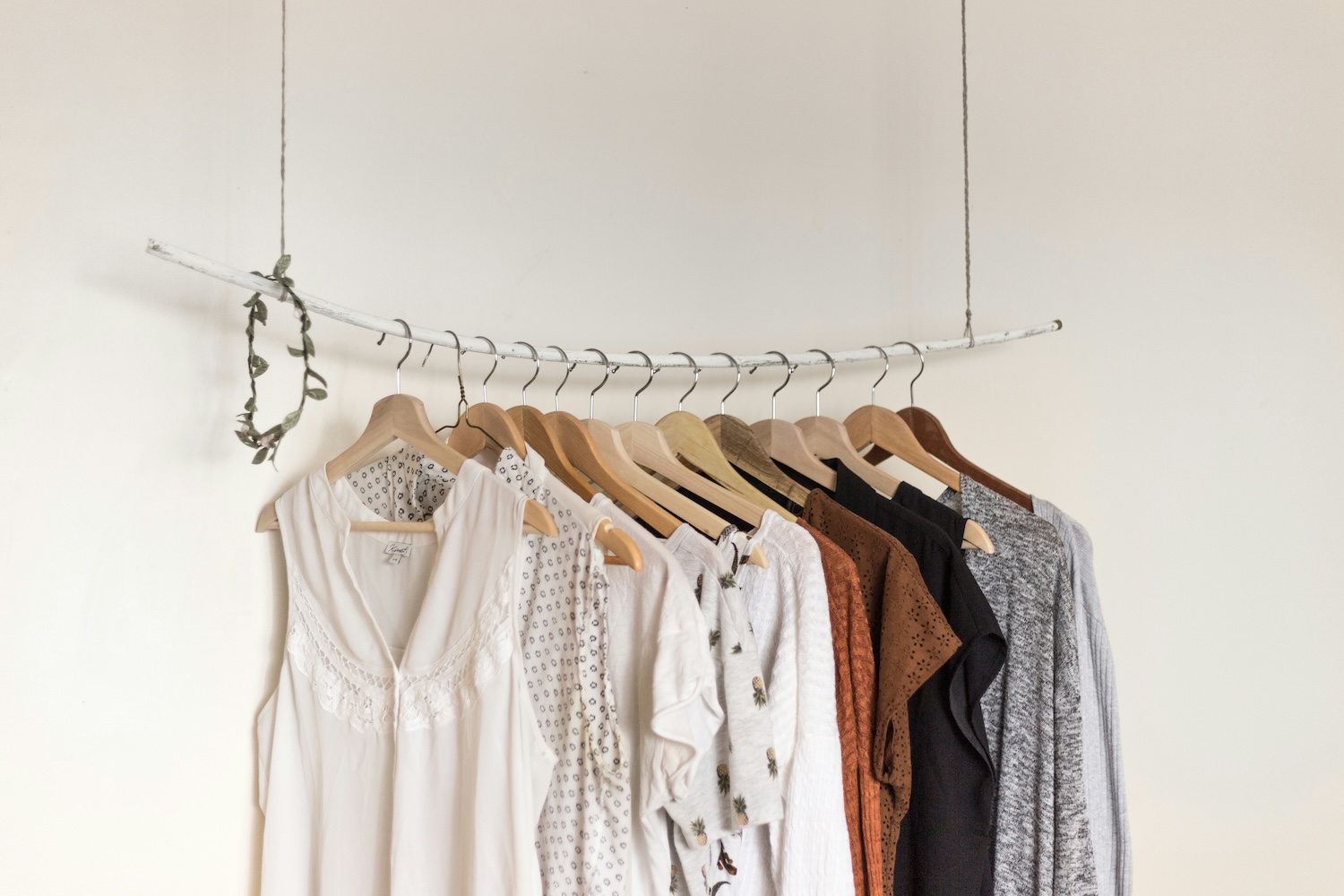
Where to Start Promoting a Children's Clothing Store
Before launching advertising, you need to answer three questions:
- who your main customer is;
- what need they satisfy by shopping at your store;
- why they should buy from you specifically.
The statement “we offer high-quality children’s clothing at affordable prices” does not create distinctive positioning. Hundreds of competitors can say the same. Customers are more likely to remember a specific offer: basic clothing for newborns, ready-made outfits for kindergarten, festive models, Turkish children’s clothing, a practical school wardrobe, or seasonal outerwear.
Define Your Main Audience
Trying to sell everything to everyone often leads to an unfocused assortment and ineffective advertising. At the start, it is important to define your main customer segment.
These may include:
- expectant parents and families with newborns;
- parents of preschool children;
- families with schoolchildren;
- customers looking for affordable everyday clothing;
- clients interested in festive or gift sets;
- customers who value natural materials;
- parents looking for a practical seasonal wardrobe;
- customers who prefer Turkish brands.
A store may have several customer segments, but it is advisable to make one of them the primary audience. This simplifies assortment selection, window display design, content creation, and advertising setup.
Formulate a Clear Advantage
Your positioning should correspond to the actual capabilities of the store. Do not promise the lowest prices, the widest selection, or the fastest delivery if you cannot provide these consistently.
A strong advantage can be built around:
- specialisation in a particular age group;
- carefully selected Turkish brands;
- ready-made outfits instead of selling individual items;
- help with choosing the right size;
- regular collection updates;
- fast dispatch of in-stock products;
- convenient exchanges;
- honest photos, measurements, and descriptions;
- combining basic and seasonal categories in one store.
The advantage should be consistently communicated on the website’s homepage, in the social media profile, advertisements, store listing, and customer communication handled by managers.
How to Prepare Your Assortment for Promotion
Advertising will not fix purchasing mistakes. If a store attracts visitors but does not have the required sizes, basic models, or a clear price offering, the advertising budget will be spent without sufficient return.
It is useful to divide the assortment into several functional groups.
Products with Consistent Demand
Basic items generate regular sales and help bring customers back. This group may include bodysuits, sleepsuits, T-shirts, long-sleeve shirts, leggings, trousers, pyjamas, socks, tights, and underwear.
These products do not always become the main focus of advertising campaigns, but they form the foundation of turnover. It is important to maintain stocks of popular colours and sizes.
Products That Attract Attention
Bright outfits, festive dresses, trendy tracksuits, unusual prints, and seasonal novelties work well on social media and in store windows. They help capture customers’ attention and bring them to the store.
However, you should not build the entire assortment around eye-catching models. Visually appealing products may attract views, but practical items often generate the main turnover.
Products That Increase the Average Order Value
Additional categories help increase sales without proportionally increasing customer acquisition costs. A T-shirt can be offered with a tracksuit, tights with a dress, or socks or a hat with a newborn set.
To encourage such sales, it is useful to:
- create ready-made outfits;
- show matching products in photographs;
- add a “Frequently Bought Together” section to the website;
- create sets for maternity hospitals, kindergartens, or schools;
- train sales assistants to offer suitable complementary products.
How to Promote a Children's Clothing Store Online
Online promotion of children’s clothing usually combines several channels. It is not necessary to launch all of them at once. It is better to set up two or three main sales channels properly and then gradually expand your presence.
Your Own Website and SEO
Having your own website gives the store control over its catalogue, content, analytics, and customer database. Unlike a social media page or marketplace, its operating rules do not depend entirely on a third-party platform.
A clear catalogue structure is important for search engine promotion. Customers should be able to quickly find the required category by age, product type, season, gender, size, or brand.
Useful categories may include:
- clothing for newborns;
- clothing for girls;
- clothing for boys;
- children’s tracksuits;
- dresses;
- T-shirts and long-sleeve shirts;
- pyjamas;
- jackets and jumpsuits;
- socks and tights;
- seasonal collections;
- individual brands.
Do not create dozens of nearly empty pages solely for the sake of targeting keywords. Each category should be useful and contain products, a clear heading, a short description, filters, up-to-date photos, and answers to the customer’s main questions.
A product page should include:
- an accurate name;
- available sizes;
- fabric composition;
- measurements or a size chart;
- seasonality;
- care instructions;
- several photos;
- payment, delivery, and exchange terms;
- availability information.
To address informational search queries, it is worth developing a blog. Useful articles can answer questions about choosing the right size, children’s fabrics, clothing care, preparing a wardrobe for the season, and combining different items. Readers should be naturally directed from these articles to the relevant catalogue categories.
Social Media
Social media is especially important for children’s clothing because purchasing decisions often depend on visual presentation. However, a store profile should not consist only of product photos and price announcements.
Content can be divided into several groups:
- product content — new arrivals, reviews, sizes, and materials;
- practical content — advice on choosing and caring for clothing;
- styling content — ready-made outfits and combinations;
- trust-building content — reviews, packaging, and the team’s work;
- seasonal content — preparation for summer, school, autumn, or winter;
- commercial content — promotions, sets, and limited offers.
For one product, it is worth creating different formats: a photo, a short video, a fabric review, an example of a complete outfit, and an answer to a frequently asked question. This provides more content without the constant need to organise new photo shoots.
Every publication should contain a clear next step: visit the catalogue, check the available sizes, message the manager, save the selection, or place an order.
Paid Advertising
Advertising can quickly attract visitors, but it should only be launched after the page, catalogue, and order processing system have been properly prepared.
Depending on the store format, you can advertise:
- an individual product category;
- a seasonal collection;
- a specific bestseller;
- a ready-made set;
- an offer for new customers;
- products viewed by the user;
- a store for customers in a specific city.
Do not immediately divide a small budget among a large number of campaigns. Initially, it is better to test several specific offers and compare not only the number of clicks but also orders, average order value, and customer acquisition cost.
If an advertisement receives clicks but does not generate sales, the problem may not be the advertising itself. Check the price, size availability, website speed, photos, delivery terms, checkout convenience, and customer trust in the store.
Marketplaces
Marketplaces can become an additional source of sales and a way to introduce customers to your store. Products with clear specifications, a competitive offer, and high-quality photographs usually perform best there.
Before listing products, consider:
- the platform commission;
- advertising costs within the marketplace;
- content requirements;
- order processing speed;
- returns;
- stock levels;
- possible pricing restrictions.
Do not evaluate a channel based on turnover alone. After commissions, logistics, advertising costs, and returns are taken into account, actual profitability may differ significantly from revenue.
How to Promote an Offline Children’s Clothing Store
Online promotion is also important for a physical store. Many customers first search for a store, view photos, read reviews, and check opening hours before planning a visit.
Local Presence
An offline store needs an up-to-date business listing in maps and search results. It should include the address, phone number, opening hours, links to the website or social media, and photos of the entrance, storefront, and products.
Ask satisfied customers to leave honest reviews and respond to them. If a complaint arises, a calm public response often influences trust more positively than no response at all.
Storefront and Navigation
A storefront should not display the entire assortment. Instead, it should communicate the main reason to enter the store. This could be a new collection, a ready-made seasonal outfit, school clothing, or a newborn set.
Inside the store, customers should easily find the required age group, size, and category. Clear navigation reduces selection time and makes the sales assistant’s work easier.
Local Partnerships
A children’s clothing store can cooperate with photographers, children’s studios, family cafés, event organisers, development centres, and other local projects with a similar audience.
A partnership should provide a clear benefit to both sides. This could be a joint photo shoot, a themed selection, a gift with purchase, or informational content for parents.
How to Increase Repeat Sales
Attracting a new customer is only the beginning. Children grow, seasons change, and basic items regularly need to be replaced. Therefore, children’s clothing has natural potential for repeat purchases.
With the customer’s consent, you can use:
- notifications about the arrival of the required size;
- reminders about seasonal collections;
- personalised selections based on the child’s age;
- early access to new arrivals;
- bonuses for repeat purchases;
- offers for the child’s birthday;
- notifications when a previously unavailable product is back in stock.
Communication should be useful and moderate. If a store sends only frequent discount messages, customers will quickly stop reading them.
For personalisation, you do not need to know everything about the customer. A few practical parameters are enough: the child’s age or size, the categories they are interested in, and their purchase history.
Which Metrics Should Be Tracked
The number of followers, views, and likes does not provide a complete picture. For store development, it is important to connect marketing performance with sales and profit.
Key metrics include:
- the number of website or store visitors;
- conversion rate into a purchase;
- average order value;
- customer acquisition cost;
- share of repeat orders;
- profit after advertising, commissions, and logistics costs;
- sales speed for individual categories;
- stock levels by size;
- return rate;
- revenue from each promotional channel.
Data should be analysed by category rather than only for the store as a whole. For example, one advertising campaign may generate many low-cost orders, while another may produce fewer sales but a higher average order value and better margin.
A 90-Day Development Plan for a Children’s Clothing Store

Month One — Preparation
During the first 30 days, you should:
- define the main audience and positioning;
- analyse sales, stock levels, and popular sizes;
- divide products into basic, seasonal, accent, and complementary categories;
- check prices and the full cost of goods;
- update descriptions, photos, and size charts;
- set up analytics for the website and order sources;
- prepare the business listing and key store pages;
- create a content plan for at least one month.
Month Two — Testing Channels
During the following 30 days:
- launch regular content on social media;
- test advertising for several product offers;
- optimise the main website categories;
- collect initial data on order acquisition costs;
- offer customers ready-made sets;
- start collecting reviews systematically;
- test one local partnership or an additional sales channel.
Month Three — Scaling
After collecting sufficient data:
- increase the budget only for profitable campaigns;
- stop using formats that do not attract target customers;
- shift purchasing towards popular categories and sizes;
- launch communication aimed at repeat sales;
- expand SEO content around priority categories;
- prepare the next seasonal campaign in advance;
- record the metrics that will be used to compare the next quarter.
Common Promotion Mistakes
Advertising Without Preparing the Store
If the website is inconvenient, the manager responds slowly, and there is no information about sizes or delivery, increasing the advertising budget will only bring more people to an unfinished purchase.
Dependence on a Single Channel
A store that sells only through one social network or marketplace depends on changes to rules, algorithms, and commissions. Having your own website, customer database, and several sales sources makes the business more resilient.
Constant Discounts
If every communication focuses on lowering the price, customers become accustomed to waiting for the next promotion. Discounts should be used for specific purposes: clearing seasonal stock, encouraging a first purchase, or promoting a bundled offer.
Buying Products Based Only on Personal Taste
The owner may like a particular style, but purchasing decisions should be verified through sales data. Analyse which models, colours, sizes, and price segments your audience buys.
Measuring Results by Likes
A large number of reactions does not guarantee profitable sales. The key questions are how much it cost to acquire the customer, what margin the order generated, and whether the customer returned for another purchase.
How a Reliable Assortment Helps Develop a Store
Promotion works better when a store regularly receives up-to-date collections, can maintain popular categories, and plan seasonal purchases. Unstable supply makes advertising more difficult: popular products go out of stock, size ranges become incomplete, and content has to be constantly revised.
When forming an assortment, it is important to consider not only the appearance of the models but also age groups, seasonality, factory terms, total cost, and sales turnover.
The MARMARAOPT catalogue features factory-made children’s clothing from Turkey for B2B customers: retail and online stores, marketplace sellers, and entrepreneurs who purchase products for resale. Buyers can compare brands and categories, place orders through the website, and receive support in English.
If you are opening a children’s clothing store or planning to expand your assortment, browse the MARMARAOPT catalogue and contact a manager to clarify the current factory terms, available categories, and the option to arrange worldwide delivery.
FAQ
How can I promote a children’s clothing store with a small budget?
Start with clear positioning, high-quality product pages, local presence, regular useful content, and work with your existing customer database. Launch paid advertising through small tests focused on specific categories or offers. Evaluate not the number of clicks but orders, average order value, and actual profit.
Which type of advertising works best for children’s clothing?
The result depends on the audience, season, assortment, and store format. Advertisements featuring a specific product, a clear price, available sizes, and high-quality visual presentation are often the most effective. It is also worth testing ready-made sets, seasonal collections, and advertising aimed at people who have already viewed products.
How can I promote an Instagram children’s clothing store?
Create a clear profile and show the assortment, prices, sizes, ordering terms, and customer reviews. Combine product publications with short videos, ready-made outfits, and practical advice. Add a clear call to action to every piece of content, encouraging users to visit the catalogue or send a message to place an order.
How can I open a children’s clothing store from scratch?
First, define your target audience, sales format, price segment, and starting budget. Then create an assortment based on age, season, and product groups, calculate the full cost of goods, choose a supplier, and set up accounting, payment, delivery, and returns. Promotion should begin only after the store is ready to process orders consistently.
How many promotional channels should be used?
At the start, two or three well-configured channels are sufficient. For example, your own website with SEO, a social network, and local promotion for a physical store. Expand your presence after identifying which channels bring profitable customers.
How can I increase sales without constantly lowering prices?
Work with ready-made sets, complementary products, personalised recommendations, high-quality descriptions, and repeat sales. Customers may choose a store not only because of a lower price but also because of convenient selection, the availability of required sizes, manager assistance, and trust in product quality.