



Quality Turkish kids clothing wholesale needs sample inspection, label checks, and wash testing before a large order. An appealing matching set may lose its shape; a bodysuit with rough seams may prompt a return. Your store then faces complaints, unsold stock, and reduced margins. When buying Turkish children's clothing wholesale, inspect new collections and repeat deliveries equally carefully.
Start with the fabric composition and whether it suits the garment's purpose. Then hold the fabric up to the light, turn the garment inside out, and check the stitching, snaps, and zippers. A wash test reveals what catalog photos cannot: shrinkage, color bleeding, and twisting seams. Use the receiving checklist below to inspect deliveries. Purchasing arrangements are covered in our guide to children's clothing wholesale from Turkey; this guide focuses on the goods themselves.
Why the Quality of Turkish Children's Clothing Wholesale Matters More Than the Purchase Price
Assess how many units you can sell without complaints. A low price offers little advantage when garments have skipped stitches, unstable dyes, or incorrect sizes. Returns require inspection, take up staff time, and complicate inventory. A customer whose garment becomes misshapen after washing may leave a negative review and never return.
Children's clothes are washed frequently, and knees, elbows, and cuffs experience repeated friction. Check fabric recovery after stretching, seam strength, and finishing rather than relying on appearance. A stretched neckline spoils a T-shirt even if its main fabric remains intact. One satisfactory sample cannot confirm every color and size in a collection.
Turkey's own cotton supply and developed textile industry support knitwear production. Its spinning, knitting, and sewing facilities produce different fabrics and garments, as described in Turkey's Ministry of Trade materials. However, country of origin alone does not confirm a style's characteristics.
Record each purchase's style number, composition, measurements, wash results, and defects to compare deliveries consistently. Separately review ways to buy clothing wholesale from Turkey, but remember that purchasing arrangements cannot replace product inspection.
Fabric Composition: How to Read the Label
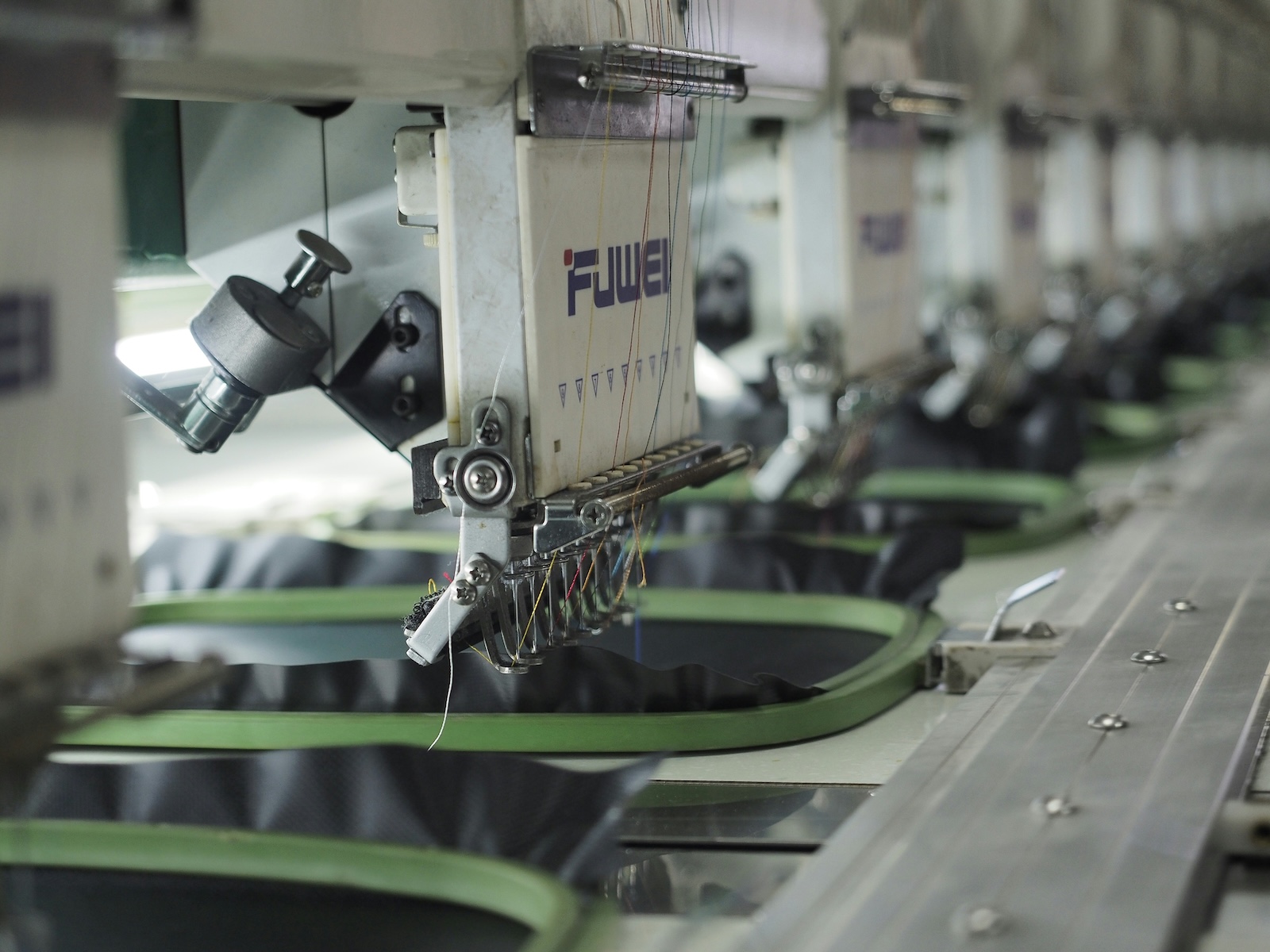
Cotton: Regular, Combed, and Organic
Check fiber percentages on the label, rather than just “cotton” on a hangtag. Cotton fabrics vary in yarn quality, construction, and finishing. “100% cotton” describes fiber content but does not guarantee resistance to shrinkage or pilling: small balls of tangled fibers forming on the surface.
Combed cotton (penye) is made from cotton prepared by combing out short fibers and impurities, leaving mainly longer fibers. The resulting fabric is generally smoother and may pill less, although performance also depends on the yarn, knitting, and care. Ask whether the term penye applies to the specific style you are ordering. Organic cotton claims need supporting documentation; GOTS is a relevant standard for certified organic textiles.
Elastane and Polyester: When a Blend Helps and When It Does Not
Elastane, also called spandex, provides stretch and helps fabric recover its shape. Approximately 3–5% elastane is often used in leggings, cuffs, and other stretchy components. Check whether the fabric returns to its original width after moderate stretching: the percentage alone does not establish garment quality. Pay particular attention to the waistband and knee areas after washing a leggings sample.
Polyester can serve a useful purpose in outerwear, where durability and the properties of the outer layer matter. For your core range of garments worn next to an infant's skin, favor cotton fabrics and assess high polyester content critically against the garment's intended use. Establish whether the stated composition refers to the main fabric, lining, or insulation, since these components may have different fiber contents.
How to Compare the Label With the Product
Request the specification, the documented characteristics of a style, and compare it with the sewn-in label. Check fiber percentages, size, and care instructions. The label should be readable and securely attached.
Compare samples by touch and stretch, but do not identify exact fiber percentages by hand. Request written clarification if descriptions and labels conflict; significant discrepancies may require laboratory analysis. Save label photos with style numbers to identify material changes when reordering.
Knit Fabric Weight: Which Fabric Suits Which Garment
Fabric weight in g/m² is the mass of one square meter. Assess it alongside composition, construction, and finishing. Heavier fabric is not necessarily better for summer bodysuits, and softness alone does not establish that a winter set has sufficient fabric weight.
Single jersey (süprem) is a lightweight knit with different-looking face and reverse sides. Rib knit (ribana) has visible vertical ribs and stretches well across its width. Interlock (interlok) is a double-knit construction with similar smooth surfaces on both sides. Two-thread sweatshirt fabric (2 iplik) uses an additional yarn to form loops on the reverse. Three-thread brushed sweatshirt fabric (3 iplik şardonlu) is a heavier construction with a raised, fuzzy reverse created by brushing.
| Fabric | Turkish name | Approximate weight, g/m² | Typical garments | Season |
|---|---|---|---|---|
| Single jersey | süprem | 140–180 | T-shirts, bodysuits, lightweight dresses | Spring–summer, core basics |
| Rib knit | ribana | 180–250 | Cuffs, leggings, bodysuits, turtlenecks | Year-round |
| Interlock | interlok | 180–240 | Bodysuits, footed pants, infant garments | Year-round |
| Two-thread sweatshirt fabric | 2 iplik | 220–280 | Matching sets, hoodies, pants | Spring, fall |
| Three-thread brushed sweatshirt fabric | 3 iplik şardonlu | 280–350 | Warm sets, sweatshirts | Fall–winter |
These ranges are approximate and depend on the factory and style.
Request the exact style's fabric weight, usually included in its specification. Unusually thin fabric in a garment marketed as warm warrants closer inspection. Compare materials intended for the same use rather than just figures in descriptions.
Hold the sample up to the light, checking for uneven areas, holes, or pulled loops. Gently stretch it across its width, release, and compare recovery with a reference sample. Check brushed surfaces for evenness and excessive shedding. Record findings to assess later deliveries consistently.
Seams and Construction: What to Inspect on a Sample
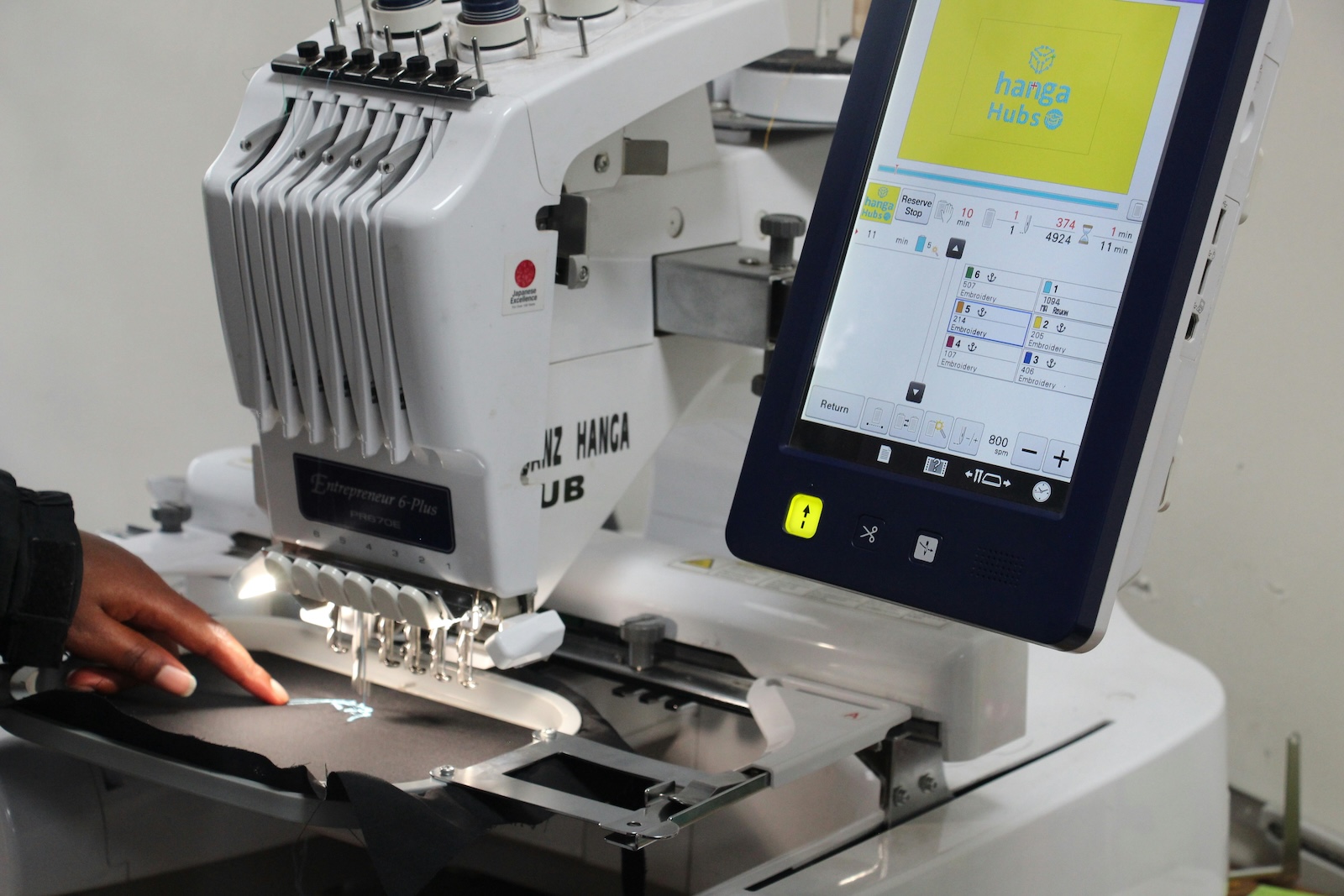
Turn the garment inside out and inspect shoulder, side, and inseam stitching. An overlock machine joins pieces and finishes raw edges; stretchy knits often use four-thread seams. A coverstitch machine commonly finishes sleeve edges and bottom hems with stretchy stitching. Assess the finished result, since appropriate methods depend on garment construction.
Look for even stitching without skipped stitches, puckering, or long loose threads. Moderately stretch seams in the direction of normal wear; they should not open or break. Inspect stressed underarm, pocket, and crotch joins. Raw edges should be caught in the overlock stitching throughout.
Lay the garment flat without pulling. Compare sleeve and leg lengths, pocket positions, and neckline symmetry. Side seams already turning toward the front may twist further after washing. Record uneven hems before ordering.
For infant garments, look for flat or outward-facing seams and external labels. Check inside labels for softness and stiff corners. Our guide to wholesale newborn clothing covers assortment planning.
Measure two or three sizes of the same style and compare them with the size chart. For tops, check length, chest width, and sleeves; for bottoms, measure the waist, overall length, and inseam. Ask the supplier about permitted tolerances. Measure consistently without stretching, and record actual figures rather than relying solely on age labels.
Check that measurements increase consistently between neighboring sizes. If two sizes are identical or differ unpredictably, request a corrected chart. These measurements also help online stores explain fit accurately in product listings and reduce incorrect orders.
Fasteners, Trims, and Prints
Snaps and other trims should be securely attached, without sharp edges or burrs. Open and close each fastener several times, then check its attachment with a short, controlled tug that does not damage the sample. Record any snap that rotates, shifts, or tears the surrounding fabric. This inspection can reveal weak attachments but does not replace formal testing.
Request documentation for nickel-free snap claims; metal color and appearance cannot establish composition. Check that snaps connect easily without excessive fabric tension.
Zippers should run smoothly without catching fabric or separating behind the slider. Inspect chin guards on zippers extending to the neck. Check both ends and their attachment.
Drawstrings around the hood and neck require particular attention. The European standard EN 14682 sets requirements and restrictions for cords and drawstrings in children's clothing, including these areas. Confirm the garment's intended age group and request manufacturer documentation. This guidance is not a legal assessment of requirements in individual markets around the world.
Stretch the print moderately with the fabric and look for immediate cracking or peeling. Check its smell and surface condition after a wash test. A strong odor is a reason to pause acceptance until its cause is understood; an absence of odor does not confirm chemical properties. Inspect embroidery from the reverse, since stiff backing and long threads may reduce comfort.
Certificates: What OEKO-TEX and GOTS Confirm
OEKO-TEX Standard 100 confirms that a certified textile product has been tested for harmful substances against the standard's criteria. Product Class I covers items for babies and children up to three years old and has the strictest requirements. Certification does not establish organic cotton origin or guarantee freedom from shrinkage, pilling, or sewing defects.
GOTS covers organic fiber origin and textile processing requirements. An “organic cotton” claim without supporting documents does not prove finished garment certification. A separate article will cover organic clothing in detail.
Find the OEKO-TEX certificate number on the label or request the document from your supplier. Enter it into the official OEKO-TEX Label Check. Match its validity, holder, and scope to the goods you are buying. If the certificate covers fabric, ask whether the confirmation also covers the finished garment, including its print and trims. A logo in a photo without a number is insufficient for verification.
Save the document with style details and the verification date. Clarify mismatched numbers or scope before buying. Use only confirmed characteristics in product descriptions.
Test a Sample Before Ordering a Large Batch
Wash one or two units of a style two or three times according to the care label. Record temperature, drying method, and detergent to repeat the test later. Test saturated or contrasting colors separately, since results may vary by color.
Before washing, measure the garment's length and width on a flat surface and photograph it. Once dry, measure the same points again. Calculate shrinkage by subtracting the final measurement from the original, dividing by the original measurement, and multiplying by 100%. Calculate length and width separately. Roughly 5% or less can serve as an initial screening guideline, but acceptable variation depends on the material, style, and agreed specifications.
Check whether side seams have twisted, cuffs and necklines have retained their shape, or pills have appeared. To screen for color bleeding, wash the sample with a piece of white fabric and check for staining. This is a practical preliminary check rather than a laboratory colorfastness test.
Inspect prints, brushed surfaces, and fasteners after each cycle. Record small changes to see whether they worsen. Establish the cause of failed tests before increasing orders. Sample testing generally costs less than handling batch-wide returns.
Wholesale Delivery Inspection Checklist
Check a delivery before distributing stock between your store, warehouse, and customer orders. Compare the paperwork first, then inspect garments from different packages. Include every style, color, and size in your sampling; several units from a single bag cannot show the condition of the whole batch. If you find a recurring defect, expand the inspection for that style.
| What to check | How to check it | What to do if there is a problem |
|---|---|---|
| Order accuracy | Match styles, colors, sizes, and quantities to the documents | List discrepancies and notify the supplier |
| Labels and marking | Check composition, size, and care instructions | Set aside items with missing or conflicting information |
| Seams | Turn several units of every style inside out and inspect stitching | Record defects and expand the sample inspection |
| Sizes | Measure one or two units of each size against the chart | Record actual measurements and agree on next steps |
| Fasteners and trims | Check snaps, zipper movement, cords, and attachments | Set aside affected garments and send photos or video |
| Prints and embroidery | Inspect surfaces, moderately stretch prints, and check the reverse | Record cracking, peeling, or embroidery defects |
| Odors, stains, and dirt | Inspect fabric and assess odor after opening packages | Separate the goods until the cause is clarified |
| Packaging | Check integrity, moisture traces, and correct contents | Photograph the packaging and damaged contents |
Photograph and film defects on the day of receipt, then promptly notify the supplier with the style number, size, and affected quantity. Keep labels and packaging until you agree on next steps. Our guide to choosing a reliable supplier covers the organizational side of the relationship.
How MARMARAOPT Approaches Quality
MARMARAOPT offers goods directly from factories in Turkey, with small test batches without large minimum orders per style. Assess garments before expanding your assortment. When sourcing Turkish clothing wholesale for stores around the world, match each style to your store's requirements and inspect samples using the criteria above.
The assortment includes Leoking, Caramell, Arti Katamino, Monna Rosa, and Nipperland. Brand names help you find collections, but purchasing decisions should be based on each style's composition and specifications. Our overview of Turkish children's clothing brands helps compare assortment options.
MARMARAOPT offers worldwide delivery and support in English. Ask your account manager about each style's composition, weight, measurements, care, and supporting documents. Keep answers with test results to compare deliveries and repeat orders from Turkey.
Use saved inspection records for repeat orders. A listed brand does not mean all its products are certified. Clarify pre-dispatch inspection and defect procedures before ordering.
Browse the MARMARAOPT brand catalog, select suitable styles for your store's planned core assortment, and request a wholesale price list from your account manager. Include style numbers, sizes, and fabric or construction questions. Assess a test batch before increasing your order.
FAQ
How do you check Turkish children's clothing quality before a wholesale purchase?
Check the label, fabric, seams, and fasteners, then wash a sample according to the manufacturer's instructions. Compare composition with the specification, measure several sizes, and inspect the inside. After two or three washes, assess shrinkage, color, pilling, and prints. Record photos and measurements. Repeat sample inspections when receiving the batch, since one good sample cannot confirm every unit's condition. Report discrepancies promptly.
What does “penye” mean on a label?
Penye means combed cotton, prepared by removing short fibers and impurities before spinning. The resulting material is generally smoother and may pill less. The term does not specify fabric weight, elastane content, or shrinkage. Check the full composition, request the style's specifications, and run a wash test. Penye does not mean organic cotton and cannot replace certification for claimed properties.
What does OEKO-TEX Standard 100 certification confirm?
It confirms that products within the certificate's scope have been tested for harmful substances against the standard's criteria. Product Class I covers items for babies and children up to three years old. Verify the number through the official OEKO-TEX Label Check. Certification does not guarantee organic cotton, strong seams, or zero shrinkage. Confirm whether it covers the finished garment or only its fabric.
What fabric weight suits fall and winter matching sets?
Warm sets often use three-thread brushed sweatshirt fabric at approximately 280–350 g/m², while transitional sets may use two-thread fabric at around 220–280 g/m². These are guidelines that vary by factory, composition, and style. Request the actual weight and check brushing, shape recovery, and wash performance. When sourcing quality Turkish kids clothing wholesale, assess these characteristics together with the sample test results.