



Wholesale kids clothing can help a new store test demand while keeping money available for its next purchase. Buying for every age group immediately can tie up your startup budget in items that sell more slowly than expected. Before choosing styles, define your customer, understand the minimum order (MOQ), and set aside a reserve.
If you are learning how to buy kids clothes wholesale for the first time, start with a test batch. It will show which categories and sizes your customers need. Follow the six steps below, from choosing an audience and planning your budget to receiving stock and reordering. Use the mistakes checklist at the end to review your cart before paying.
What to Decide Before Your First Order
Start with three answers that will narrow your catalog choices. Add them to your purchasing plan so you can turn down an attractive style that does not serve your store's needs.
- Where will you sell? An online store needs clear product listings, social media sales need useful photos, and a physical store needs an assortment that suits its visitors. If you have not chosen a channel, use the guide on promoting a children's clothing store.
- Who will you sell to? Define the children's age group, your price segment, and parents' everyday needs. “Clothes for everyone” will not help you choose between baby bodysuits and outfits for schoolchildren.
- How much can you invest? Separate your merchandise allowance, related expenses, and reserve. Consider whether you could replenish popular items before selling the rest of the batch.
Your target audience means specific customers with particular needs and budgets. Parents of preschoolers, for example, may need comfortable daycare outfits. That gives your first assortment a clearer purpose than a broad selection built around personal taste.
Step 1. Choose Your Starting Age Group and Categories
Choose one or two neighboring age groups for your first order. This lets you offer several useful items without spreading your money across unrelated categories. A complete assortment for that audience means covering its main needs, rather than purchasing everything in the catalog.
Consider these basics, depending on the children's ages and your store format:
- bodysuits and sleepers for babies;
- T-shirts and long-sleeve tops for everyday outfits;
- knitwear sets for outings and daily activities;
- pajamas for sleep and home use.
You do not need every category in one batch. A baby clothing store might start with bodysuits, sleepers, and matching sets. A preschool assortment might focus on tops, knitwear sets, and pajamas. The separate newborn assortment guide covers that category in more detail.
Compare styles by purpose, fabric composition, sizes, and intended retail price. Similar items may compete for the same customer. Before adding another style, ask which need it meets and whether your cart already covers that need. This matters especially when you are buying clothing for resale for the first time.
Add seasonal and special occasion items after initial sales clarify customer requests. Seasonality means changes in demand linked to the time of year or particular events. Consider it before paying, and use the buying calendar and margin guidance in the children's clothing wholesale from Turkey guide.
A small batch works best when each style tests a specific assumption about demand: a category, fit, or price point.
Step 2. Understand the Minimum Order (MOQ)
A minimum order (MOQ) is the smallest purchase a supplier accepts; the abbreviation stands for minimum order quantity. Requirements may apply to total order value, units per style, or mandatory packs. Asking only “What is your minimum spend?” will not explain every restriction.
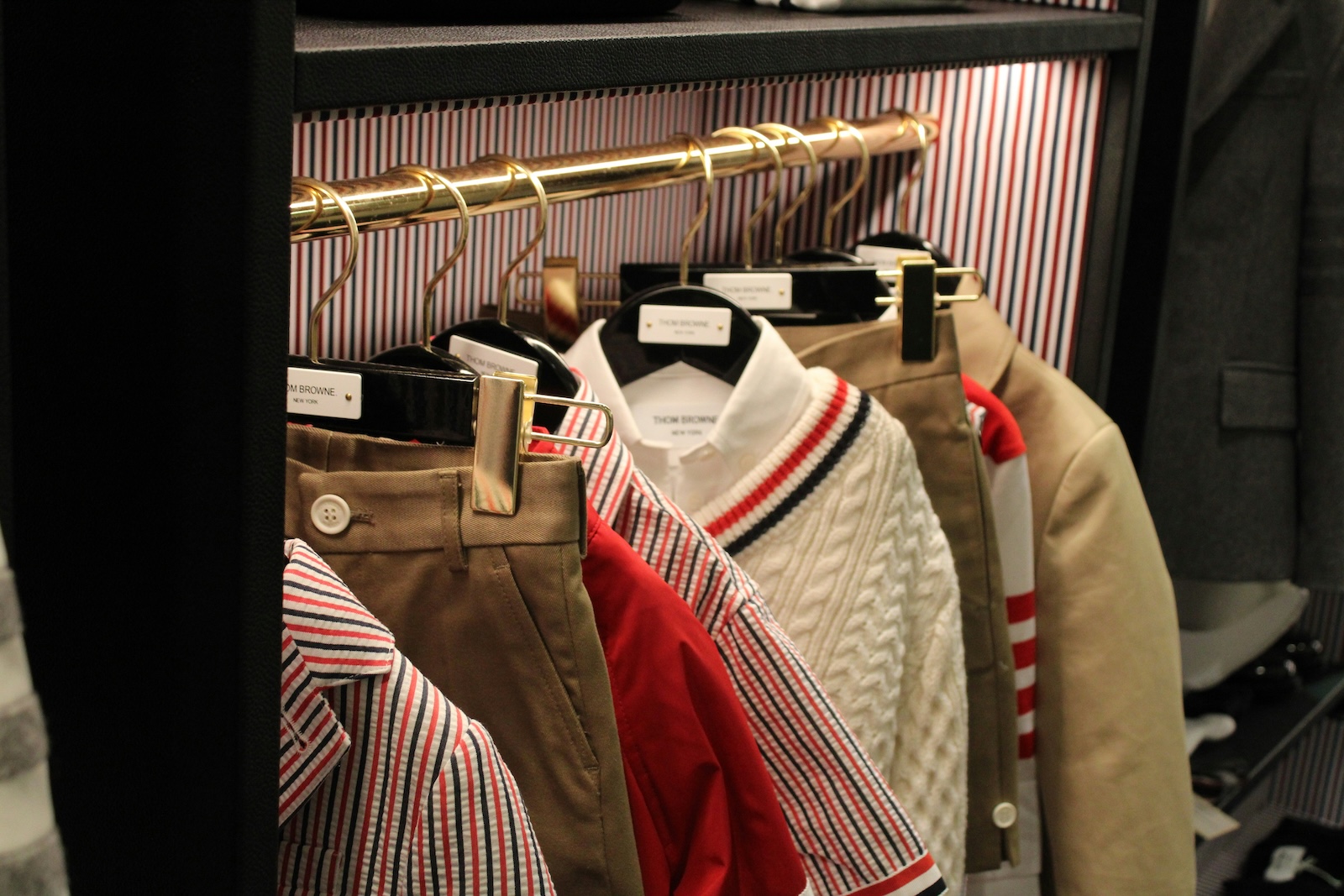
A size pack is a group of garments in the same style across several sizes, sold as one package. MARMARAOPT mainly ships full packs, although some products are sold individually. Check each description for sizes and pack contents; do not assume you can change the assortment inside a pack.
When comparing kids clothing wholesale minimum order requirements, look at their structure as well as their value. A large unit minimum per style concentrates your budget in a few items. Buying one pack of several styles can test a broader selection, but you still need to count the actual garments.
Before building your cart, clarify:
- how the minimum spend applies to each selected factory;
- where each factory order will be assembled;
- the exact contents of each size pack;
- which products come in packs and which are sold individually;
- how shipping from each factory is calculated.
Record the answers alongside your selections. Packs may contain different quantities, so compare the full purchase commitment rather than the price of one garment. Reconsider styles whose size ranges do not suit your audience.
MARMARAOPT order minimums start at $500 per factory; the specific threshold depends on the factory. Purchases from different factories do not combine to meet a minimum. See the separate purchasing methods guide for sourcing formats and the supplier selection guide for checking a potential partner.
Step 3. Plan Your First Batch Budget
Do not spend your entire startup budget on merchandise. Even a small batch needs shipping, photography, and preparation for sale. If a successful style sells out quickly, you will need available funds to reorder it.
Confirm related expenses before deciding what you can spend on stock. Orders from several factories require separate shipping allowances because their warehouses may be in different cities or locations. Review the example below against your shipping arrangements, content resources, and readiness to start selling.
Illustrative example; proportions depend on your store.
| Expense | Share of startup budget |
|---|---|
| First merchandise batch | 60% |
| Reserve for reordering popular styles | 20% |
| Shipping | 10% |
| Photography and content | 5% |
| Launch advertising | 5% |
| Total | 100% |
Keep the reorder reserve separate from the money you intend to spend now. Popular items are products whose demand your own sales have confirmed. Before those results exist, treating a style as a guaranteed bestseller is premature.
If shipping costs more than expected, revise the plan before payment. Do not automatically cover the difference with your reorder reserve. First consider which items you could remove without weakening your core offer. Clarify which expenses the quote includes and which will be charged separately.
Every product you sell online needs photos and a description. If you create these yourself, allow enough time: too many styles may delay listings. Your purchasing budget should match your ability to process the batch.
Before your next order, compare planned costs with actual spending. Use the pricing and margin guidance in the earlier linked guide rather than mixing those calculations into this budget table.
Step 4. Build an Assortment Matrix
An assortment matrix is a table organized by category, age group, and number of styles. It turns your store concept into a purchasing plan, helping you balance categories and track spending. Prepare it before making final catalog selections.
Copy the template below. Category names are examples; the other cells are blank for your own plan. Replace the rows as needed and check the age group against each brand's size chart.
| Category | Age group | Number of styles | Size packs per style | Row budget |
|---|---|---|---|---|
| Bodysuits and sleepers | ||||
| T-shirts and long-sleeve tops | ||||
| Knitwear sets or pajamas |
For an initial test, choosing several different styles with one pack of each is often more useful than buying several packs of one untested style. This can create more choice and reduce reliance on a single product. Still, limit the assortment to what you can present properly to customers.
Once you select products, add their item codes and actual pack contents to your working spreadsheet. Counting packs alone does not tell you how many garments will arrive. Count units in each size to avoid overbuying sizes with no proven demand.
Review the matrix as a shopper. Is there enough choice in the relevant categories? Do the products fit one price segment? Does the same design appear repeatedly? If another product does not fit your plan, decide which existing selection it would replace before adding it.
The matrix also makes later analysis easier. You can compare what each style was meant to test with its actual sales results, rather than trying to reconstruct your original reasoning from invoices.
Step 5. Place and Receive Your Order
Before paying, get confirmation of item codes, colors, sizes, pack counts, and unit quantities. Separately confirm availability, dispatch and delivery estimates, payment arrangements, and the procedure for defective items. Do not assume an earlier conversation covers a revised cart.
Check the actual dispatch country: “Turkey” in a description does not explain the shipping route. Factory warehouses may be in different cities or locations, so orders are assembled and shipped separately. Monna Rosa also dispatches orders from China. Confirm where your batch will leave from and how shipping is calculated.
On arrival, count the items and compare them with the confirmed order. Photograph discrepancies or visible problems and keep packaging and supporting documents until the issue is resolved. Notify the supplier within the agreed period, identifying the item code and affected quantity. Use the separate wholesale delivery inspection checklist for a detailed review.
Record opening inventory in your spreadsheet or stock system. Inventory on hand means the unsold units of each product. Accurate starting quantities are essential for measuring how your test batch performs.
Step 6. Review Sales and Reorder
After two to four weeks of selling, compare the original batch with remaining stock. This is an initial review point, not a promise that the entire order will sell within that period. Traffic, size availability, and the date each listing went live all affect results.
Review three things: which styles and sizes sold out, which remain unsold, and what shoppers request but cannot find. Record when each product became available. An item listed all month cannot be compared fairly with one photographed only a few days ago.
Inventory turnover describes how quickly stock sells and the money invested in it returns to circulation. For your first review, compare units sold over the same period and units remaining. A single sale does not establish consistent demand.
Reordering means buying additional stock of products you have already offered. Use your reserve when repeated customer interest supports replenishment. Check availability and pack contents again: replacing one missing size may require buying the whole pack. Consider whether the remaining sizes also suit your customers.
For slow sellers, first review the photos, description, and available sizes. Then consider bundles, promotions, or end-of-season discounts after checking whether the price makes sense. Base the second purchase on sales data and repeated requests, rather than the owner's personal preferences.
Your First Purchase with MARMARAOPT
You can order through MARMARAOPT from one or several factories. Minimum order values start at $500 for each factory separately; the specific threshold depends on the factory. Each order is assembled at the relevant factory warehouse and shipped separately. Spending across several factories does not replace meeting each factory's individual minimum.
Browse the MARMARAOPT brand catalog for current availability and choose products yourself to meet your store's needs. Confirm delivery availability for your country, timing, and shipping terms before ordering.
Prepare your assortment matrix and check product descriptions for sizes and pack contents. Customers select their own styles, categories, and quantities. The manager explains the general ordering process, including payment, shipping, assembly procedures, and preparation time. Use that information to assess whether the process fits your plans, while basing product choices on your audience and purchasing budget.
7 First Order Mistakes
- Spending your entire startup budget on the first batch and leaving no funds for shipping, preparing products, or replenishing stock.
- Buying to suit your own taste without checking whether the styles match your customers' needs, children's ages, and budgets.
- Covering every age group immediately and spreading limited funds across categories that each offer too little choice.
- Buying several packs of one style before sales confirm demand for its design and sizes.
- Ordering seasonal merchandise near the end of its season without allowing for shipping and the time needed to list it.
- Leaving the defective item procedure unclear until the goods arrive, when you need to know reporting deadlines and required evidence.
- Having no reorder plan, so popular items sell out while funds remain tied up in slower products.
Browse the MARMARAOPT brand catalog, build your own assortment, and ask the manager about payment, order assembly, and shipping. Your first wholesale kids clothing purchase should match your customers' needs: check each factory's minimum, pack contents, and separate shipping costs while keeping a reserve for reorders.
FAQ
What does a minimum order (MOQ) mean when buying clothing wholesale?
An MOQ is the smallest purchase a supplier accepts under its ordering terms. At MARMARAOPT, minimums are measured by order value, starting at $500 per factory, with the specific threshold set by that factory. There is no minimum number of different styles: you can order one product if it meets the required value. Follow the pack or individual sale format shown in its description.
How many styles should I include in my first wholesale order?
There is no single number for every store. MARMARAOPT allows even one product selection if you meet the chosen factory's minimum spend. To test demand, several styles with one size pack each are often more useful than many identical packs. Consider your audience, budget, pack contents, and ability to present each item. Keep funds available for shipping and later replenishment.
What is a size pack in children's clothing wholesale?
A size pack contains one style in several sizes, sold together as a package. Unit counts and size ratios depend on the item. MARMARAOPT mainly ships packs, although some products are sold individually. Check the description for included sizes and the available sales format. Do not assume individual sizes can be removed from a ready-made pack when placing an order.
Can I combine different brands in one wholesale purchase?
Yes, you can order from several factories through MARMARAOPT at the same time. However, each factory assembles and ships its order separately, and you must meet its individual minimum spend. Purchases across factories do not combine to reach that threshold. When buying wholesale kids clothing from several brands, calculate merchandise costs and shipping separately for each factory before confirming your purchase.